15 Things Anyone Can Find Out About You Online Right Now




Ever wonder what someone could learn about you with just a few clicks? The answer might surprise you. According to the Pew Research Center, nearly 74% of Americans feel they have little to no control over how their personal data is collected and used online. From public records to social media, the amount of information available about the average person is vast — and most of it is completely free to access.
Here are 15 types of personal information that are likely available about you online right now — and what you can do about each one.

1. Your Full Name and Basic Details
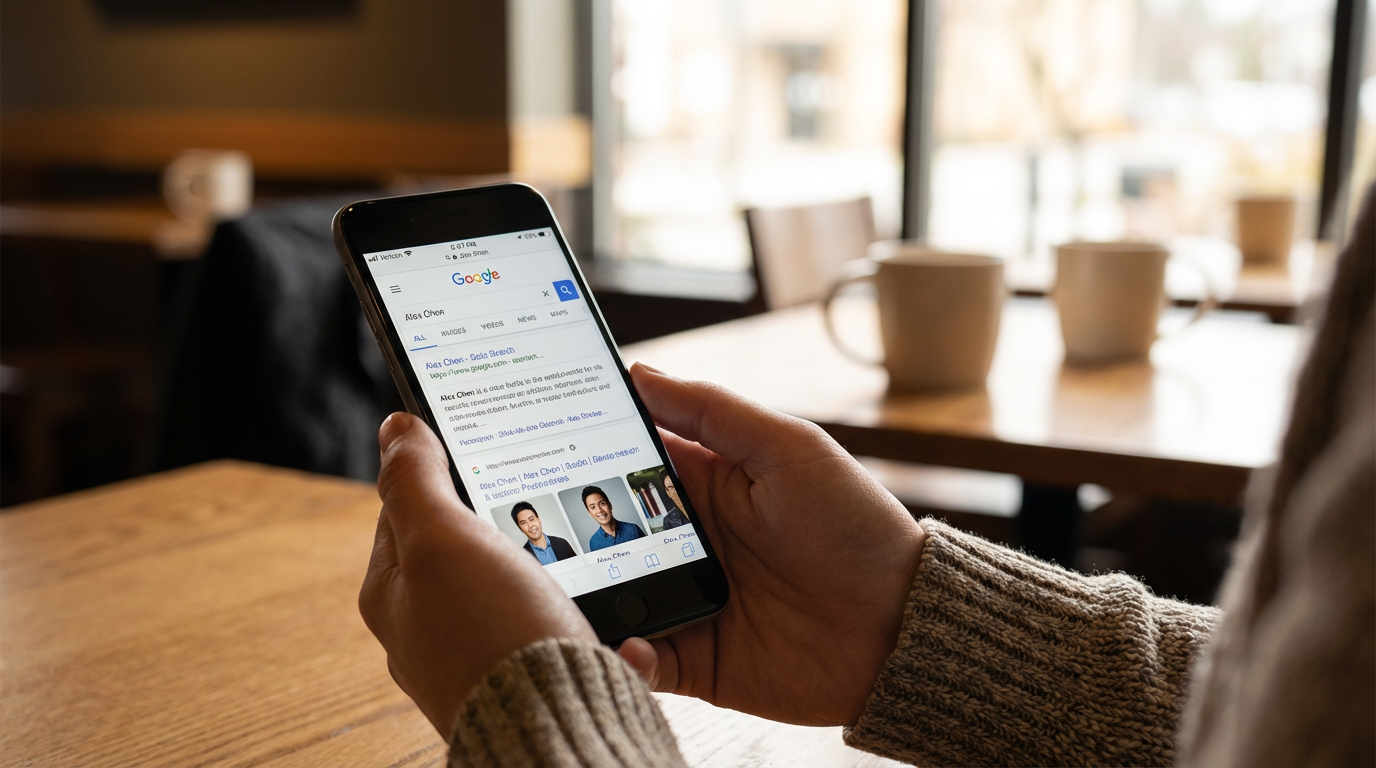
This one may seem obvious, but it goes deeper than you think. A simple name search on Google can pull up your full legal name, middle initial, age, and sometimes even your date of birth. People-search sites like Whitepages, Spokeo, and BeenVerified aggregate this data from public records and make it searchable by anyone.
According to the Federal Trade Commission, this kind of data is gathered from voter registration files, property records, and court documents — all of which are legally public. Most people have no idea just how much of their basic identity is already indexed and searchable.
What you can do: Visit the major people-search sites and submit opt-out requests. Most sites have a removal page, though the process can take a few weeks per site.

2. Your Home Address — Past and Present
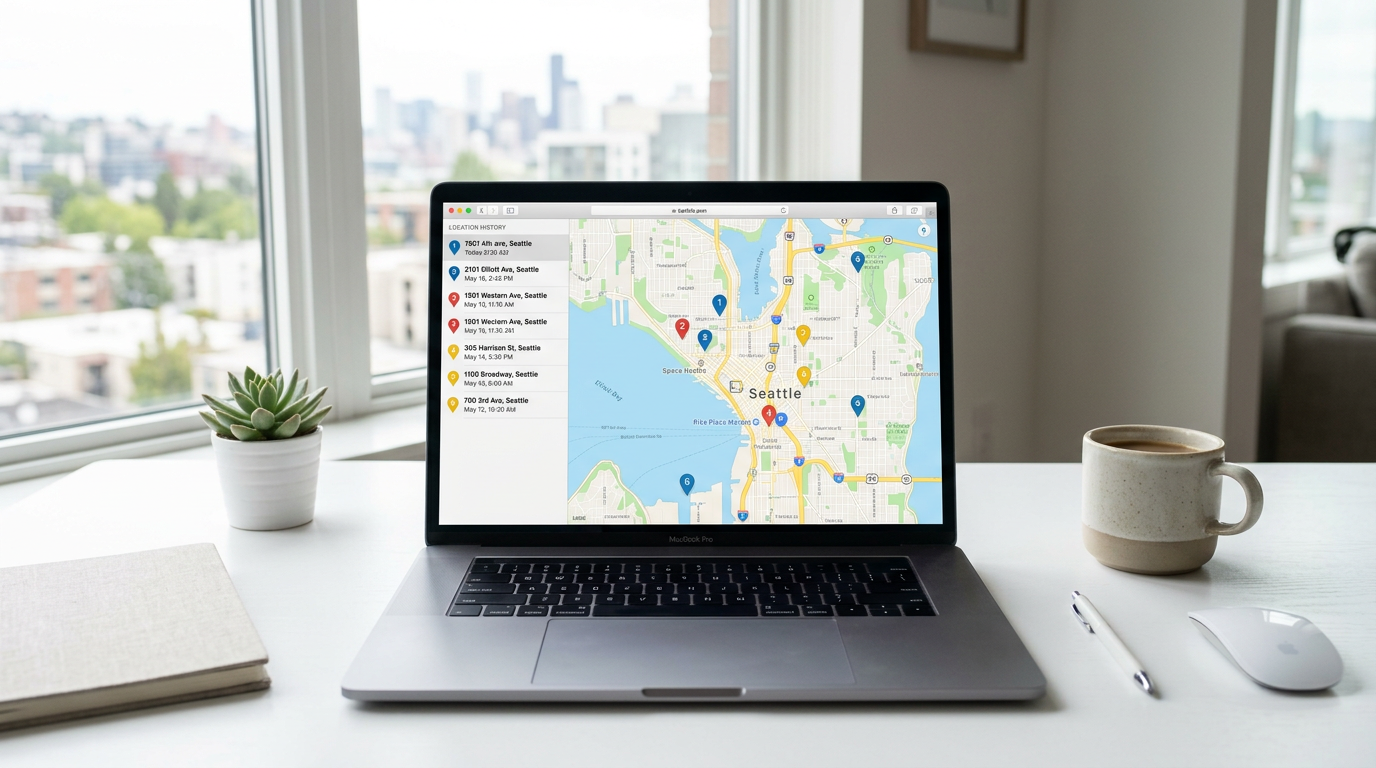
Every time you register to vote, buy a home, or even sign up for a magazine subscription, your address may become part of the public record. People-search databases routinely list not just your current address, but every address you’ve been associated with over the past decade or more.
County assessor websites openly display property ownership records, including the purchase price and tax history. Even rental addresses can show up through utility records and credit bureau data that gets resold to aggregators.
What you can do: Use a P.O. Box or virtual mailbox service for new registrations. For existing records, check your state’s voter registration confidentiality options and opt out of people-search listings.



3. Your Social Media Activity
Even if you think your profiles are locked down, your social media presence reveals more than you expect. Profile photos, bios, friend lists, and group memberships are often publicly visible by default. According to a 2024 Pew Research survey, 53% of social media users have never reviewed their privacy settings.
Photos with geotags, check-ins, and tagged posts from friends can paint a detailed picture of your daily routine, favorite spots, and social circle. Some employers and landlords now routinely review candidates’ social media as part of their screening process.
What you can do: Audit your privacy settings on each platform quarterly. Turn off location sharing on posts, review what’s visible to non-friends, and search for yourself to see what others see.


4. Your Phone Number
That phone number you use for online shopping, restaurant reservations, and app signups? It’s likely sitting in dozens of databases. Reverse phone lookup services allow anyone to enter a number and potentially find the owner’s name, address, and carrier information.
Data brokers collect phone numbers from app permissions, public directories, and business registrations. Once your number is in circulation, it’s nearly impossible to fully remove. The FTC reports that Americans received an estimated 50 billion robocalls in 2023 alone, many of which were only possible because phone numbers are so widely available.

What you can do: Consider using a secondary number (Google Voice or a similar service) for online signups, and register your primary number on the National Do Not Call Registry.
5. Your Court and Legal Records
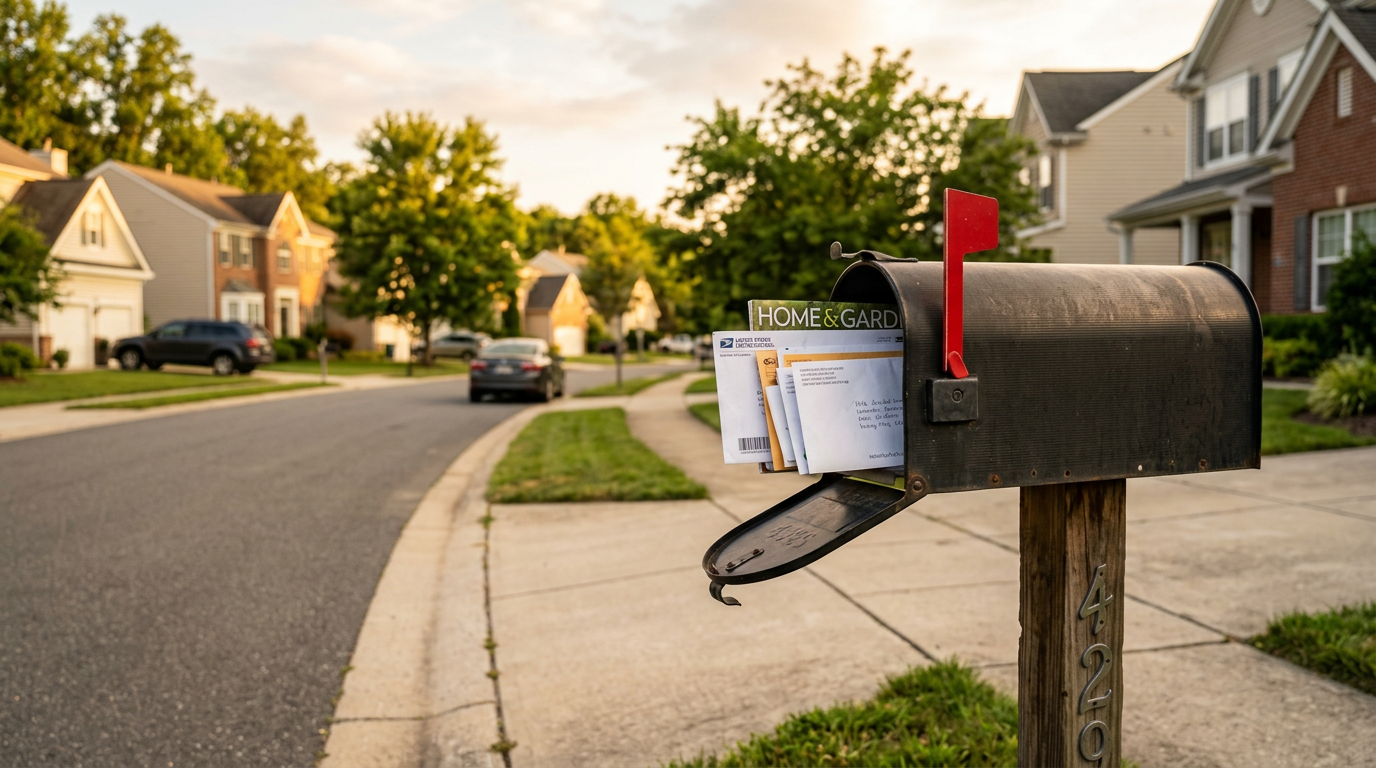
Court records — including civil cases, traffic violations, and even divorce filings — are generally public information in the United States. Many county and state courts have moved their records online, making them searchable from anywhere.
Background check services compile these records alongside arrest records and liens, creating comprehensive profiles that can follow a person for years. According to the National Center for State Courts, over 60% of state courts now offer some form of online case lookup.

What you can do: Search your own name in your county’s court records system to know what’s out there. In some states, you can petition to seal or expunge certain records.
6. Your Email Addresses
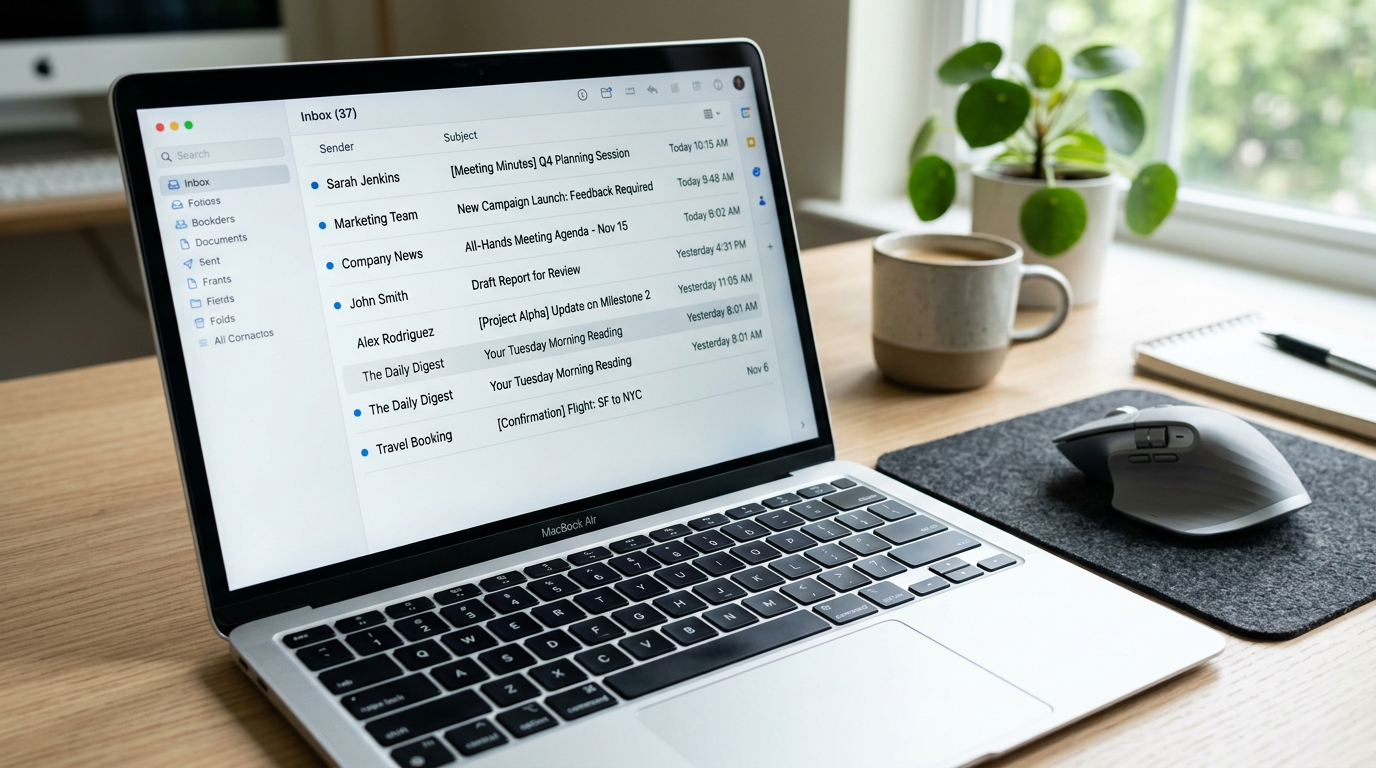
Your email address is one of the most commonly exposed pieces of personal data. Every data breach, newsletter signup, and online account creation puts your email into circulation. The website Have I Been Pwned tracks over 13 billion compromised accounts, and the average email address appears in at least 2-3 known breaches.
Once your email is out there, it becomes a key linking your identity across platforms. Marketers, data brokers, and even researchers can use a single email address to connect your accounts, purchases, and online activity into a unified profile.

What you can do: Check haveibeenpwned.com to see if your email has been in a breach. Use unique passwords for every account and consider using email aliases for different types of signups.
7. Your Financial Snapshot
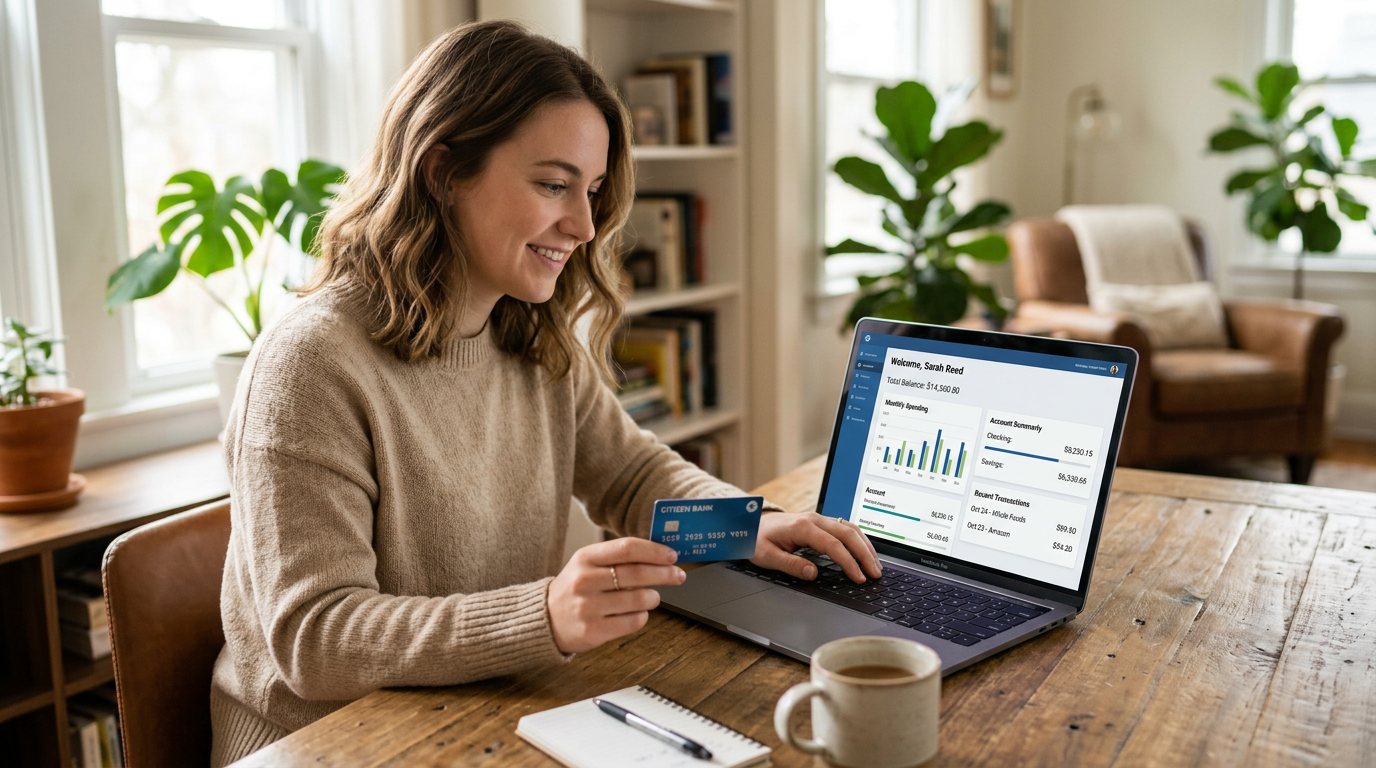
While your bank balance isn’t public, more financial information about you is accessible than you might realize. Property tax records show home values and mortgage amounts. Business filings reveal ownership stakes. And your general creditworthiness is estimated by dozens of services that use publicly available data.
If you’ve ever donated to a political campaign over $200, that contribution — along with your name, address, employer, and amount — is publicly available through the Federal Election Commission’s database. Some salary information is also available through employer disclosure requirements, especially for government employees and nonprofit executives.

What you can do: Freeze your credit with all three major bureaus (it’s free), monitor your credit reports annually at AnnualCreditReport.com, and be mindful of which financial details you share online.
8. Your Health and Fitness Habits
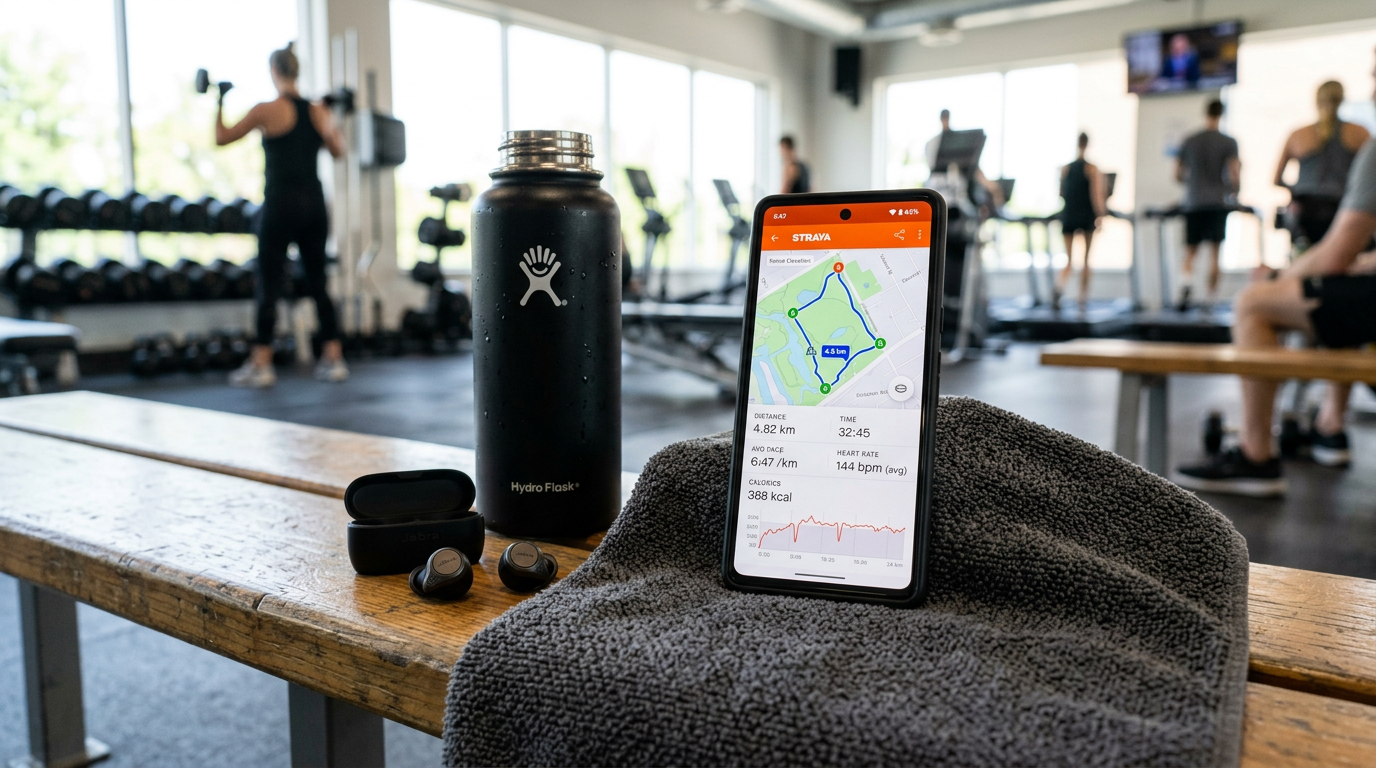
Fitness apps and wearable devices track everything from your daily step count and heart rate to your sleep patterns and running routes. While this data is useful for personal health goals, it can also reveal sensitive information about your habits and location patterns.
In 2018, the fitness app Strava inadvertently revealed the locations of military bases worldwide through its global heat map of user activity. While that’s an extreme example, it illustrates how fitness data can expose more than intended. Many fitness platforms share anonymized data with third parties, and their privacy policies often allow for broad data usage.

What you can do: Review the privacy settings in your fitness apps, disable public activity sharing, and turn off GPS tracking when you don’t need it for your workout.

9. Your Smart Home Activity
Smart doorbells, home security cameras, and connected thermostats create a detailed log of activity in and around your home. Doorbell cameras record visitors, delivery schedules, and even your daily comings and goings. Some of this footage is shared with neighborhood watch apps that make it viewable by people nearby.
Smart home devices also collect data about your preferences — when you turn lights on and off, what temperature you keep your home at, and how often you’re away. According to a 2023 Consumer Reports study, most smart home device makers collect more data than is necessary for the devices to function.

What you can do: Review sharing settings on all smart home devices, disable features you don’t use, and check whether your doorbell camera footage is being shared on community platforms.
10. Your Employment History
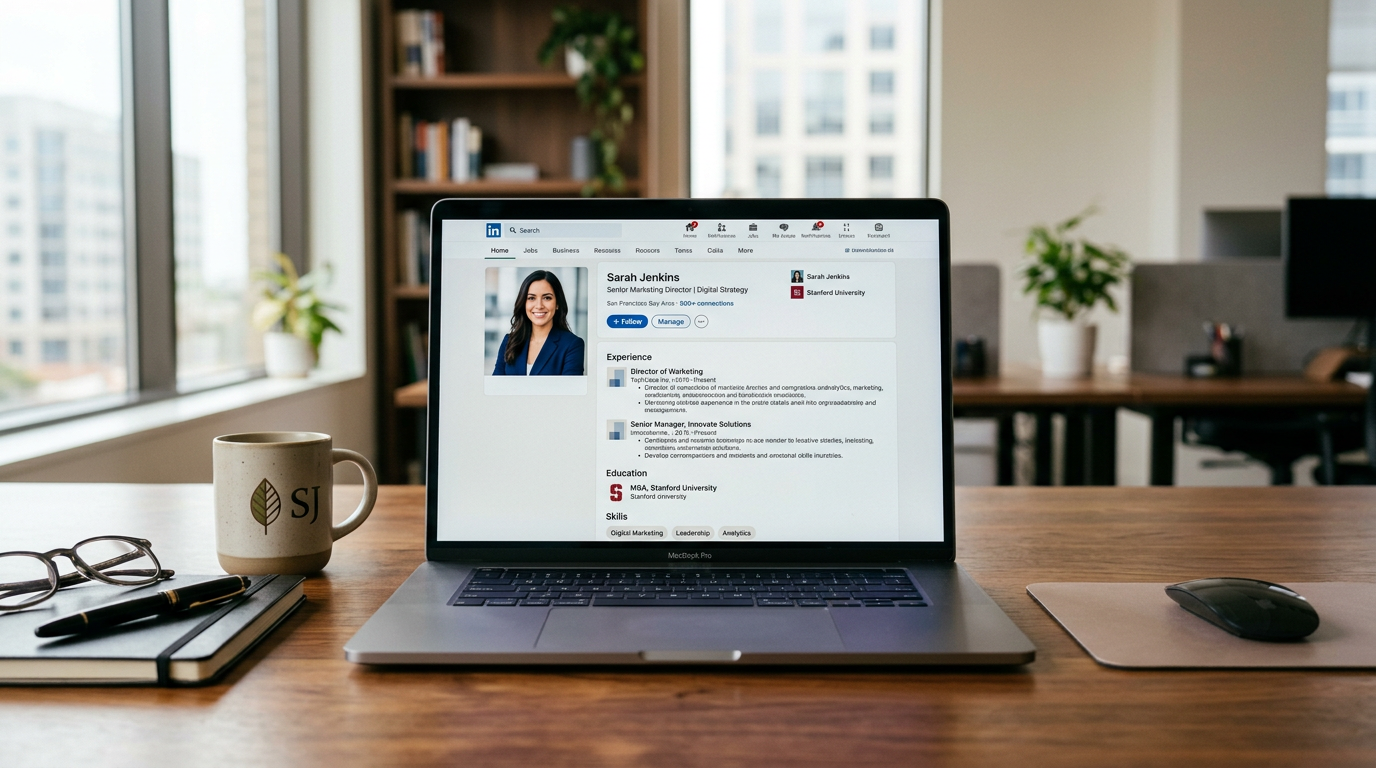
LinkedIn alone has over 1 billion user profiles, many with detailed work histories, skills, education, and endorsements. Even if you don’t have a LinkedIn account, your employer may list you on their company page, and professional directories often include your job title and company affiliation.
State licensing boards publish the names and credentials of licensed professionals — from doctors and lawyers to real estate agents and cosmetologists. SEC filings name executives and board members. Many of these records remain online indefinitely, even after you’ve moved on to a different role.

What you can do: Keep your LinkedIn profile privacy settings tight, and be selective about which professional directories include your information. Google your name plus your employer to see what’s already public.
11. Your Family and Relationships
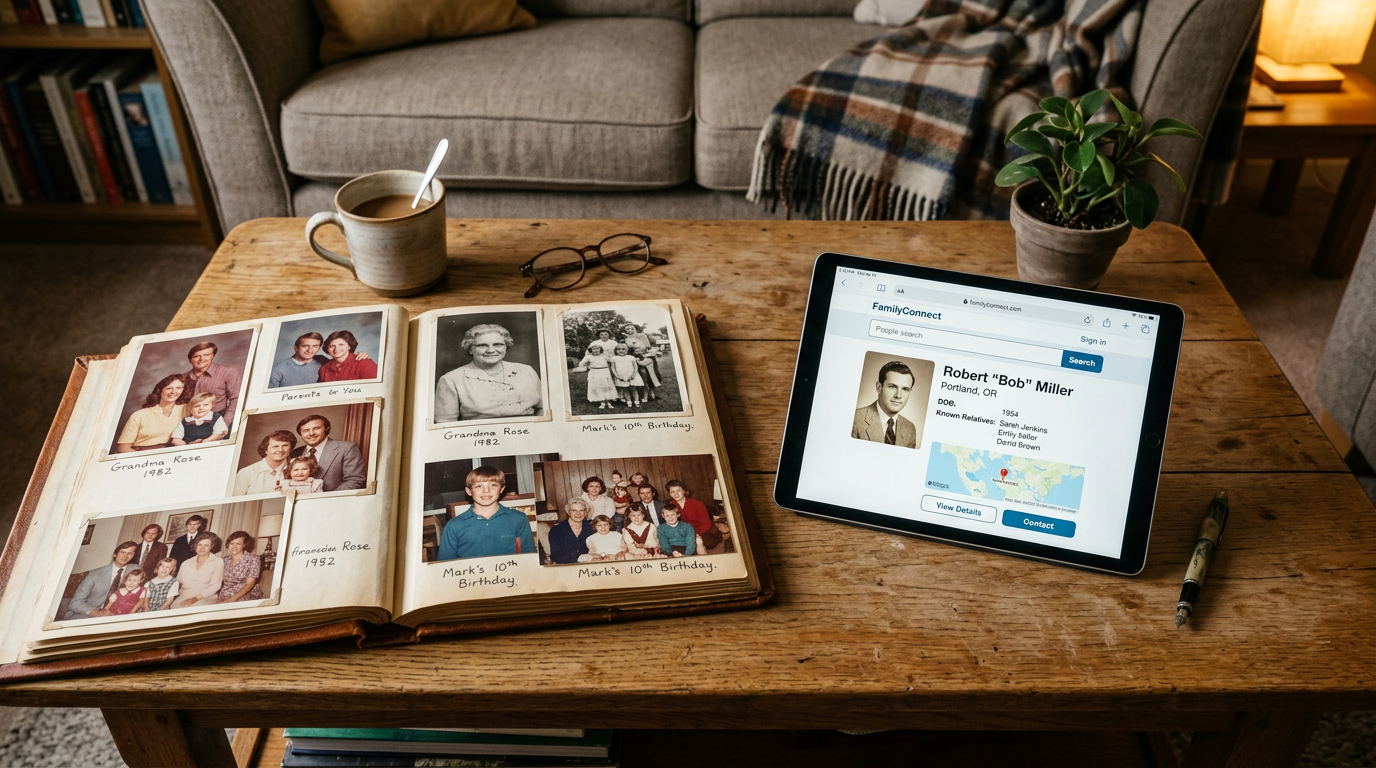
People-search sites don’t just list your information — they also map your connections. “Known associates” sections typically show family members, roommates, and sometimes even close friends, along with their ages and locations. Marriage and divorce records are public in most states and searchable online.
Social media further exposes family connections through tagged photos, relationship status updates, and family member lists. Genealogy sites like Ancestry and FamilySearch contain detailed family trees that users have built, sometimes including living relatives without their knowledge.

What you can do: Ask family members to review their own privacy settings and remove you from public-facing genealogy trees if you prefer. Opt out of people-search sites that list your associates.

12. Your Voice Assistant Recordings
If you use a smart speaker or voice assistant, your voice commands are being recorded and stored. Amazon, Google, and Apple all retain voice recordings by default (though each offers options to limit or delete them). These recordings capture not just your requests, but ambient conversations that may be picked up during accidental activations.
A 2023 Northeastern University study found that smart speakers are accidentally activated an average of 19 times per day. While the recordings are typically used to improve voice recognition, they’re stored on company servers alongside your account information.
What you can do: Review and delete your voice history regularly through your device’s companion app. Enable auto-delete settings if available, and mute your smart speaker when you’re not actively using it.

13. Your Vehicle Information
Your vehicle’s make, model, year, and registration details are available through state DMV records. While direct DMV lookups are restricted by the Driver’s Privacy Protection Act, much of this information still finds its way into databases through parking tickets, toll records, and insurance claim data.
Modern connected cars also collect extensive data on their own. A 2023 Mozilla Foundation study found that cars are among the worst product categories for data privacy, with 84% of car brands sharing or selling driver data. This can include your driving routes, speed habits, and even in-car conversations if voice features are enabled.
What you can do: Review the privacy settings in your car’s infotainment system and connected car app. Opt out of data sharing programs where possible, and check with your auto manufacturer about what data they collect.
14. Your Online Shopping Habits
Every online purchase creates a data trail. Retailers track your browsing history, purchase history, wish lists, and return patterns. This data is used for targeted advertising and is frequently shared with marketing partners and data brokers.
Even your product reviews, which are tied to your username or real name, can reveal your interests, preferences, and lifestyle. Loyalty program data, browser cookies, and payment information all contribute to a detailed consumer profile that marketers use to predict your future behavior and purchasing patterns.
What you can do: Use browser privacy extensions, clear cookies regularly, and consider using a dedicated email address for online shopping. Review and delete your purchase history on platforms that allow it.
15. What You Can Do About All of This
Knowing what’s out there is the first step. The good news is that you have more control than you might think. Start with a comprehensive self-search: Google your full name (in quotes), check the major people-search sites, and review your social media profiles as a visitor would see them.
The FTC recommends freezing your credit, enabling two-factor authentication on all important accounts, and regularly reviewing account permissions for third-party apps. Privacy-focused tools like VPNs, password managers, and email alias services can significantly reduce your digital exposure going forward.
While you can’t erase your entire digital footprint, taking even a few of these steps can make a meaningful difference in how much of your personal information is accessible to others. The key is to start today — the longer personal data sits unprotected online, the more widely it gets distributed across platforms and databases.
Sources: Pew Research Center, Federal Trade Commission, National Center for State Courts, Consumer Reports, Mozilla Foundation, Northeastern University
